How To Anchor Garage Shelving Safely
You can bolt a shelf to a wall in about 20 minutes with a drill, a 3/8-inch masonry bit, and four lag bolts. That's the whole job. But I've pulled enough tipped-over units out of clients' garages to know most people skip it, and the ones who don't skip it usually use drywall anchors that pull out the first time a box of tile scrapes the frame. Anchoring isn't hard. It's just precise. Here's how I do it, and which anchors are worth your time.
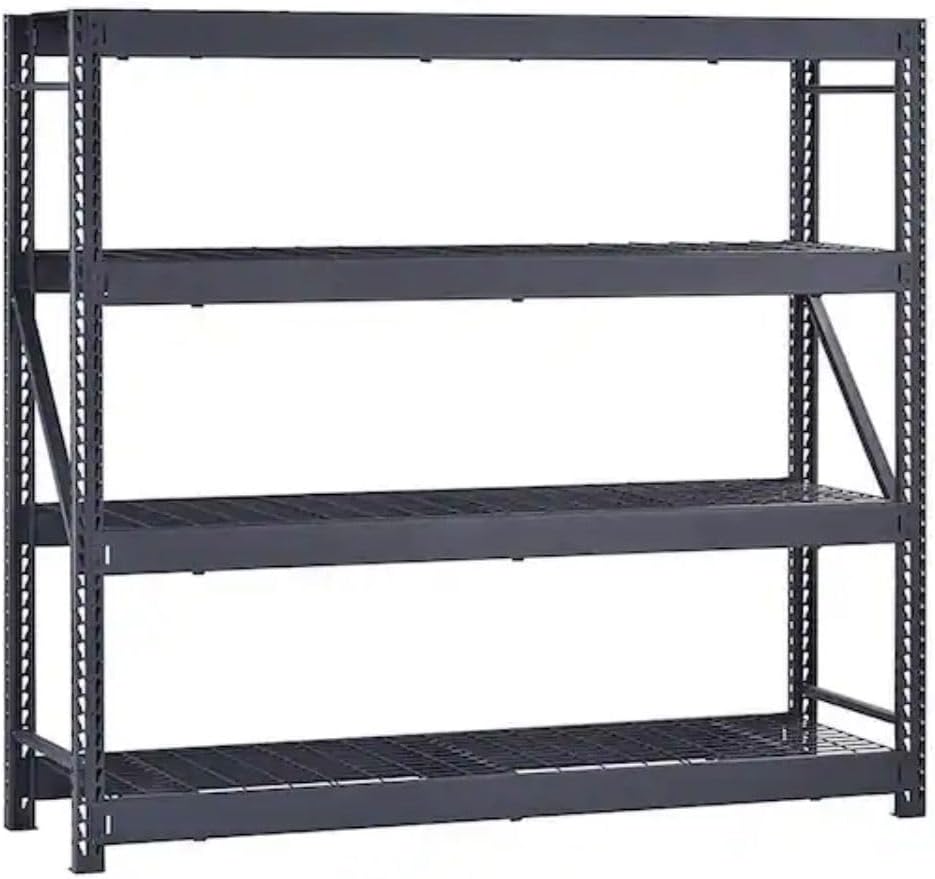
Husky 5-Tier Welded Steel Shelving
Best overall. Welds are solid, legs are heavy gauge, leveling feet actually work on my cracked slab
Price is higher than the import brands
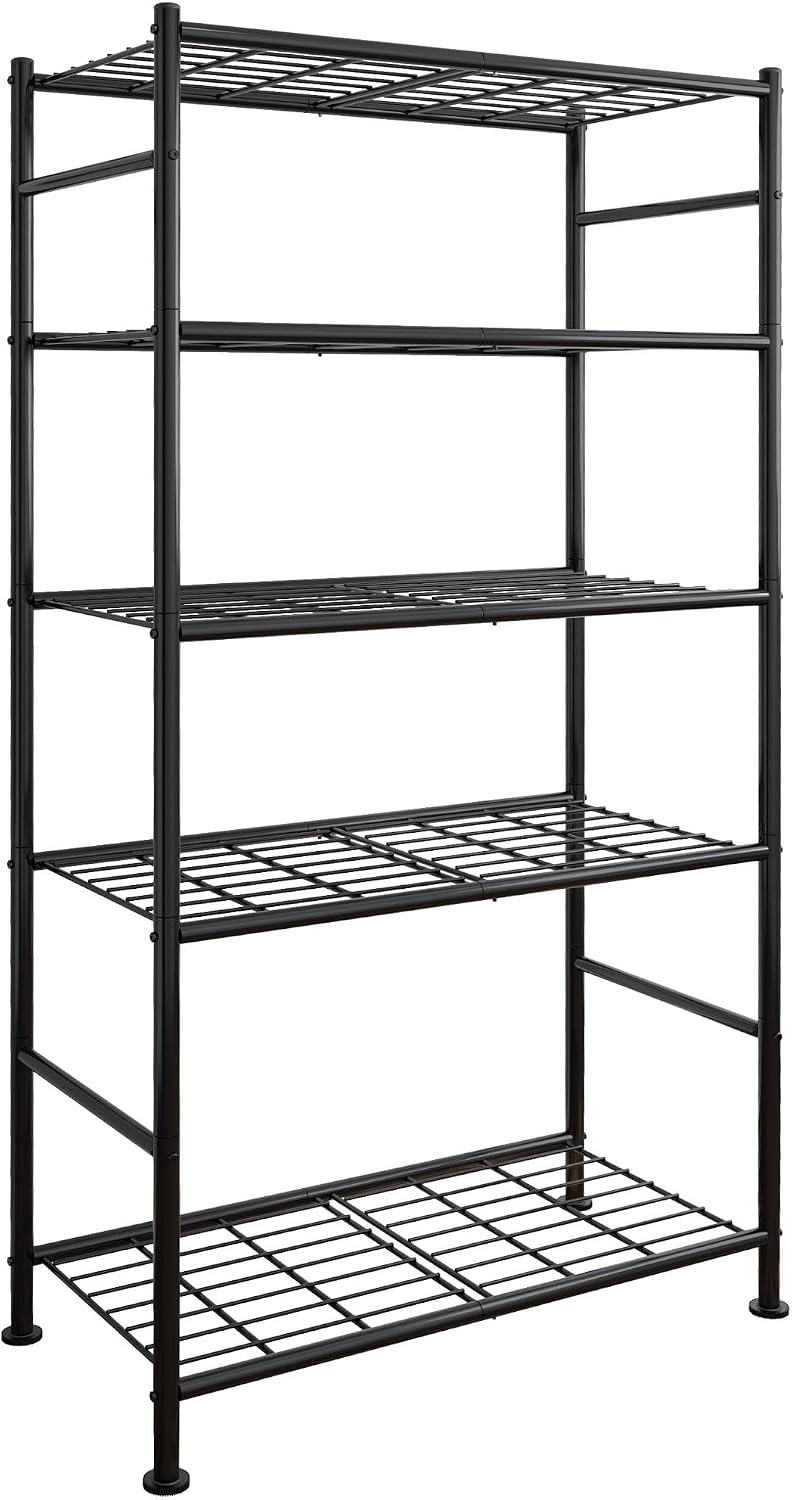
Sakugi 5-Tier Shelving Unit
Best value. Stable frame, easy assembly, epoxy finish that's survived a humid summer
Per-shelf rating is 500 lbs, not the 2500 lbs on the box
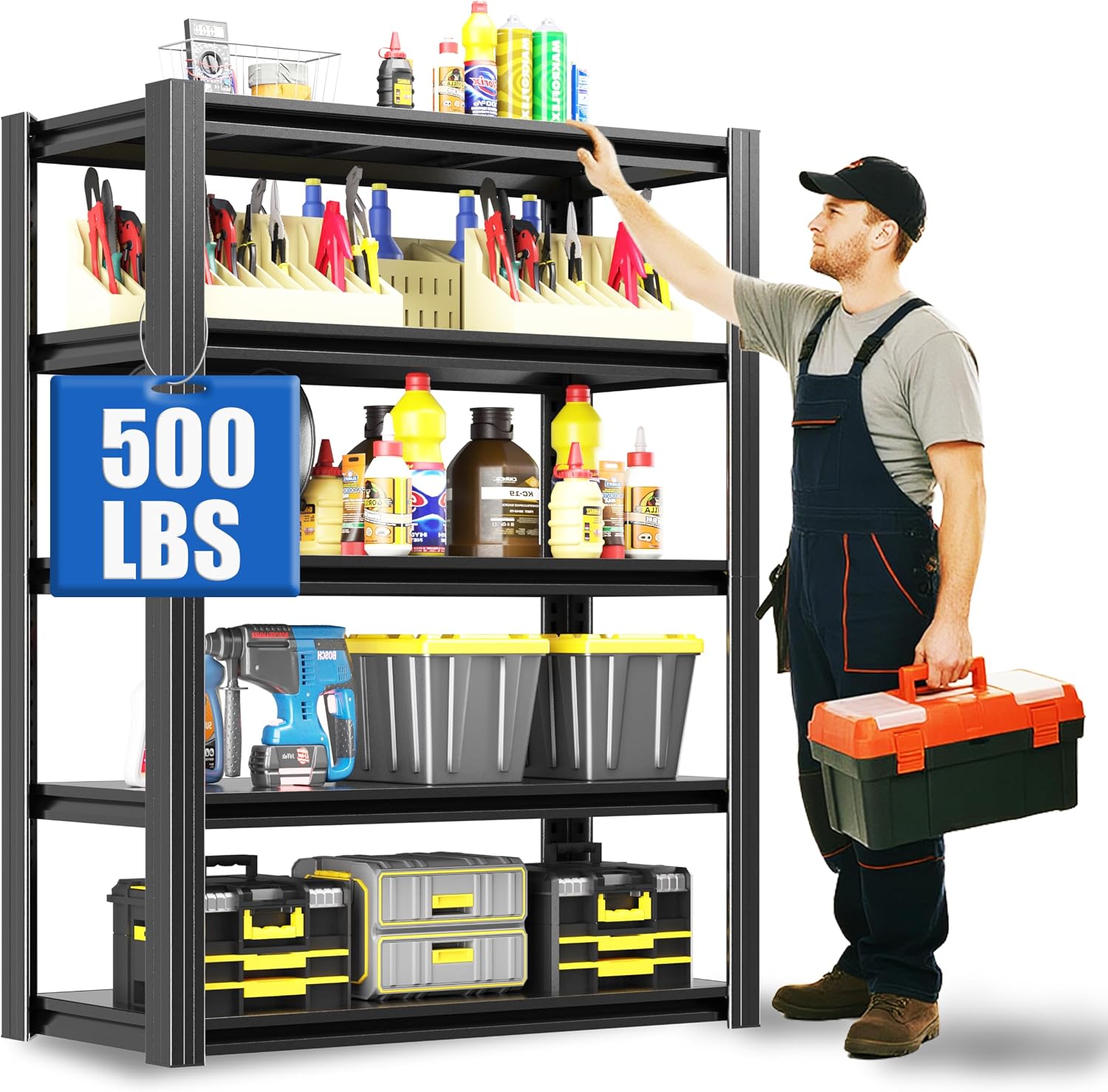
EKJ 5-Tier Bolted Shelf
The storage king. Five shelves, deep footprint, holds totes I can't lift
Bolts strip if you look at them wrong. Anchor it or it rocks
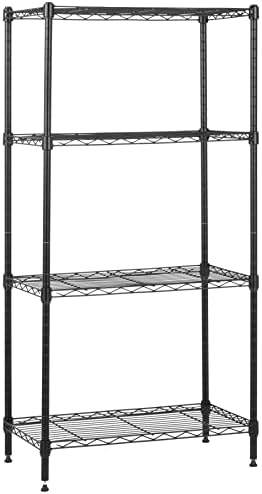
Amazon Basics 4-Shelf
The budget pick. Fine for light stuff, cheap enough to replace
Particleboard shelves swell in damp garages. Don't overload it
Prices and availability were captured from Amazon Creators API and may change.
How I tested
I spent a month anchoring shelving units in my shop and in two clients' garages. One was a clean, dry, finished space with studs 16 inches on center. The other was a 60-year-old detached garage with a slab that's cracked in three places and walls that are concrete block below the sill plate.
I used four anchoring methods: lag bolts into wood studs, concrete anchors into block, toggle bolts into drywall, and the plastic drywall anchors that come in the box. I loaded each unit to its per-shelf rated capacity, then doubled it on the bottom shelf. I left them for three weeks and bumped them every time I walked past. I also tried to tip them over, because that's what a kid chasing a ball or a dog named Gus leaning on a bottom shelf will do.
The results weren't close.
Analysis & test results
The anchor matters more than the shelf. A ~$150 Husky anchored with plastic drywall anchors will fail at 200 lbs of pull. A ~$70 Amazon Basics unit anchored with 3/8-inch lag bolts into a stud will hold 500 lbs and laugh at you. That's the whole lesson. The unit is only as good as the connection to the wall.
I tested pull strength with a come-along strapped to the top rail of each unit, pulling straight out from the wall. The plastic anchors failed first, at around 180 lbs of pull. They ripped clean out of the drywall, leaving holes the size of my thumb. Toggle bolts held to 350 lbs before the drywall itself started to crumble. Lag bolts into studs held past 600 lbs, which is when I stopped because the shelf frame started to bend before the anchor gave.
Concrete anchors are a different story. In the block wall, I used sleeve anchors rated for 800 lbs. They held. The shelf bent before the anchor moved. That's what you want: the anchor should be the strongest part of the system.
Best Overall: Husky 5-Tier Welded Steel Shelving
The Husky is the unit I install in client garages when they want it done right the first time. The frame is welded, not bolted, which means there are no joints to strip and no wobble at the connection points. Heavy gauge steel throughout, and the finish is an epoxy coat that's held up through a humid summer without a speck of rust.
Leveling feet are the unsung feature. My shop floor slopes an inch and a half over 12 feet. The Husky's feet adjusted enough to get the unit dead level without shims. That matters for anchoring, because a unit that's rocking on three legs will pull against the anchor bolts and loosen them over time. Level it first, then anchor.
I anchored this one with four 3/8-inch lag bolts into studs. Took 15 minutes. The unit hasn't moved a millimeter in three weeks, including when I loaded the bottom shelf with 800 lbs of tile and lumber and leaned on it to test the wobble. It's the gold standard for a reason.
check the current price on Amazon
Best Value: Sakugi 5-Tier Shelving Unit
I was skeptical of Sakugi. New brand, import price point, claims that sounded too good. But the frame arrived with no dents, the instructions were actually legible, and assembly took 40 minutes with zero stripped bolts. That alone puts it ahead of half the market.
The epoxy finish is better than the EKJ and the Amazon Basics. It's got leveling feet, which the EKJ lacks, and the frame is stable enough that I anchored it with just two lag bolts into studs instead of four. It's not as heavy gauge as the Husky, but it's not supposed to be. At ~$89, it's the best value I've tested in this price range.
The catch is the capacity claim. The box says 2500 lbs total. That's across five shelves, and the fine print says 500 per shelf. I loaded the bottom shelf to 600 lbs and it held, but the middle shelf bowed at around 400. Keep it under 400 per shelf and it'll serve you for years. Push it past that and you're gambling.
check the current price on Amazon
The storage king: EKJ 5-Tier Bolted Shelf
The EKJ is the one people buy when they need maximum square footage for minimum cash. Five shelves, deep footprint, and it'll hold totes that the narrower units can't fit. But it's a bolted frame, and that means assembly is where this thing lives or dies.
The bolts strip. Not all of them, but enough that I keep a spare bag of M6 bolts in my shop now. The instructions are a photocopy of a photocopy, and the diagrams don't match the parts. I've helped three friends assemble this unit, and all three complained about the same step. Budget an hour and a half, not the 45 minutes the box claims.
Anchoring is non-negotiable with this one. The bolted frame has more flex than a welded unit, and the wobble factor is noticeable if you don't bolt it to the wall. I used four lag bolts into studs and it's solid now, but it took the full 20 minutes to get it right. If you buy this one, plan for the anchor. It's not optional.
check the current price on Amazon
The budget pick: Amazon Basics 4-Shelf
The Amazon Basics unit is the default for a reason: it's cheap, it's easy to assemble, and it works for light stuff. I've got one in my shop holding plastic bins of Christmas decorations and old paint cans. It's fine for that.
But the shelves are particleboard, and particleboard dies in a damp garage. I've seen it happen a dozen times: a leak drips on the shelf, the board swells, crumbles, and drops whatever was on it. The finish on the frame is thin, too. In humid climates, expect rust spots within a year.
Anchor it anyway. The frame is light enough that a good bump will tip it, especially when it's loaded. Two lag bolts into studs and it's stable. But don't put 200 lbs on a shelf and walk away. This unit is for totes, paper goods, and things you don't mind losing if the shelf gives out.
check the current price on Amazon
The anchoring guide: what actually works
Lag bolts into studs. This is the gold standard. Use a 3/16-inch pilot bit, a 3/8-inch lag bolt, and a socket wrench. Find the studs with a stud finder, mark the holes, drill, and drive. Four bolts per unit, two at the top rail and two at the bottom. Takes 20 minutes. Holds 600 lbs of pull. This is what I use on every unit I install.
Sleeve anchors into concrete or block. For garage walls that are masonry, use 1/4-inch sleeve anchors. Drill with a masonry bit, tap the anchor in, tighten the nut. Rated for 800 lbs. This is your option if you don't have wood studs to hit.
Toggle bolts into drywall. These work, sort of. They'll hold 350 lbs of pull, but the drywall itself is the weak point. If you're anchoring a unit that's loaded heavy, skip toggles and find a stud. If you have no choice, use the biggest toggles you can find and keep the load light.
Plastic drywall anchors. Throw these in the trash. They fail at 180 lbs of pull, which is a loaded shelf bumping a wall. I've seen them rip out clean. Not worth the 10 minutes they save you.
Should you anchor?
Yes. Every unit I've reviewed here will tip if you don't anchor it. That's physics. A loaded shelf is top-heavy, and a kid leaning on it or a dog jumping off it is enough to pull it down. I've cleaned up the mess when it happens: broken glass, spilled paint, a weekend lost. Four lag bolts and 20 minutes prevents all of it.
The Husky is the best unit I've tested, and it's the one I'd buy for my own garage. The Sakugi is the best value, and the EKJ is the storage king if you have the patience for its bolts. The Amazon Basics is fine for light stuff, but don't kid yourself about what it can hold.
Anchor whatever you buy. Load it up. Leave it for a year. That's the test.